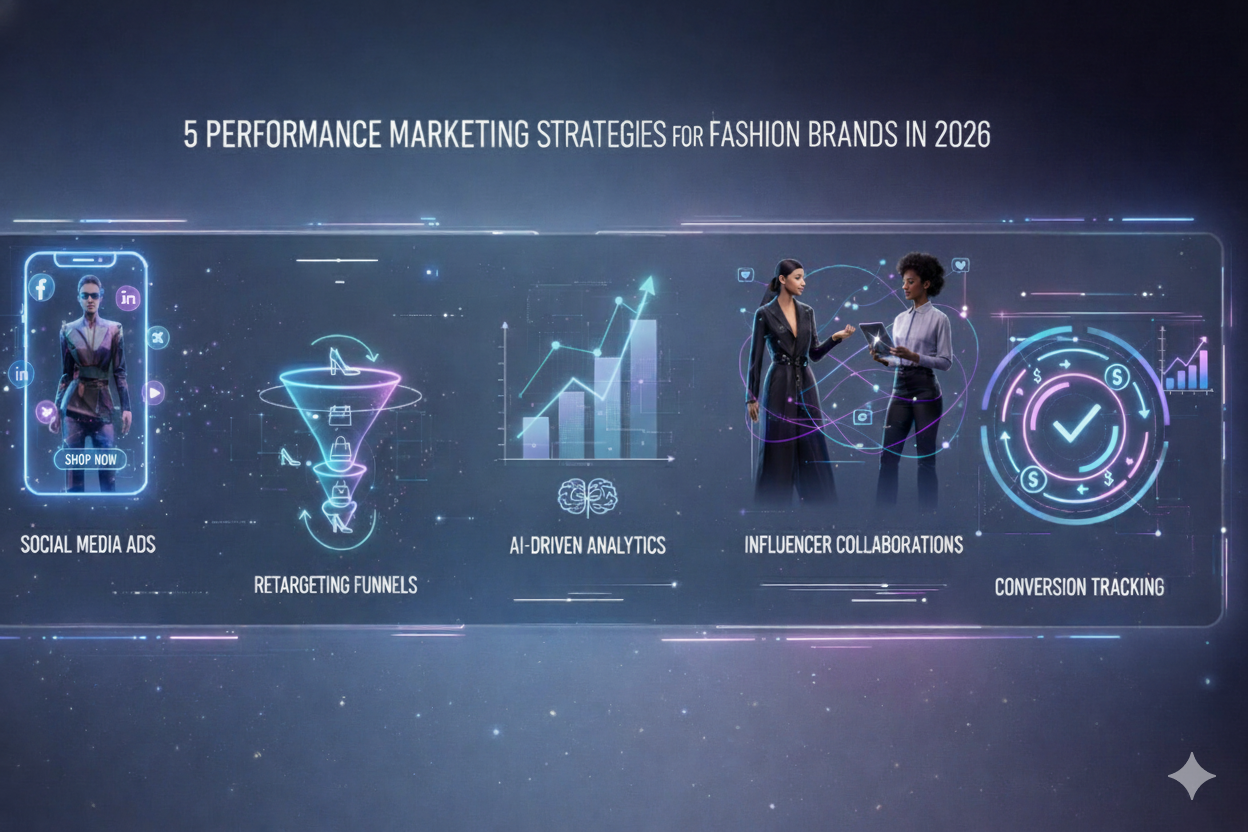
The fashion industry is transforming rapidly, and 2026 is shaping up to be one of the most competitive years for clothing brands. With rising customer acquisition costs, fast-changing trends, and shorter attention spans, brands can no longer depend only on traditional marketing. They need measurable, scalable, and ROI-driven approaches. That’s where performance marketing strategies come in.
Unlike broad branding or awareness campaigns, performance marketing focuses on data, results, and constant optimisation—helping fashion brands pay only for what actually works.
This blog covers the top 5 performance marketing strategies that clothing brands must adopt in 2026 to stay ahead, reduce wasteful spending, and accelerate growth.
1. Hyper-Targeted Social Media Advertising
As algorithms grow smarter in 2026, social media platforms like Meta, TikTok, and Pinterest are offering brands far more precise targeting options than ever before. Clothing brands can now reach audiences based on deeper signals—purchase history, style preferences, browsing behaviour, and even micro-intent triggers.
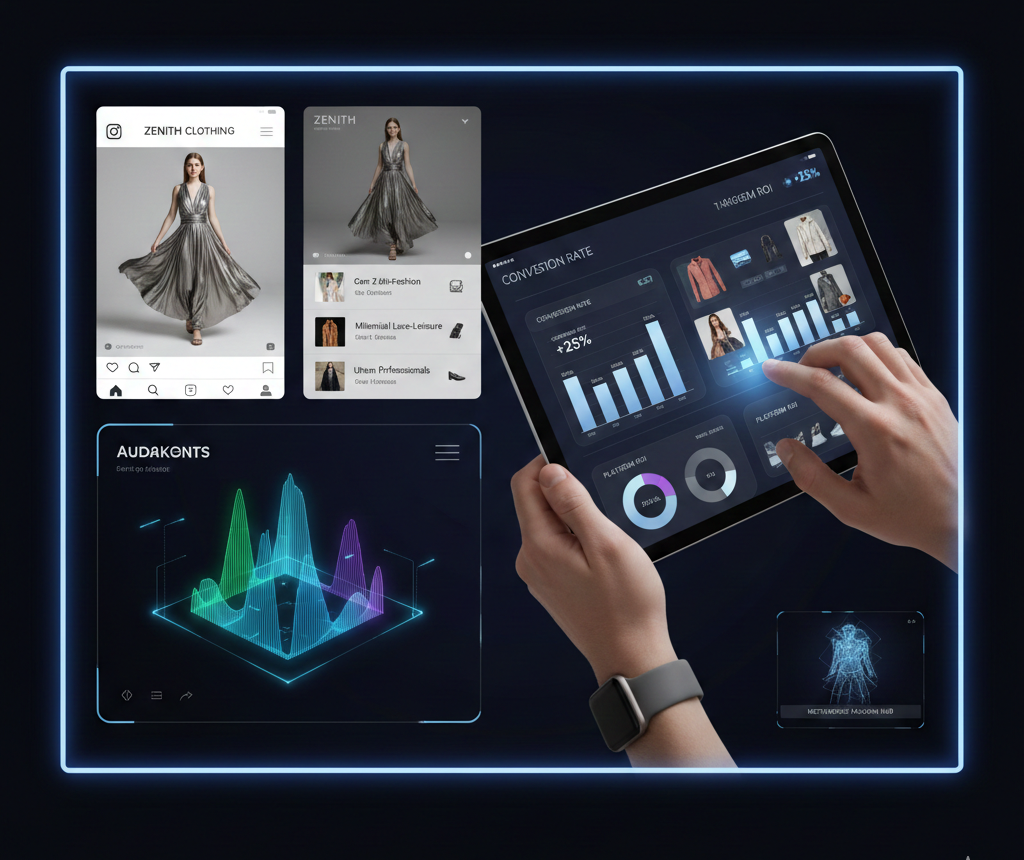
Running performance-based marketing campaigns on these platforms ensures brands pay only for measurable outcomes such as clicks, conversions, and sales. Fashion brands rely on dynamic creatives, automated placements, and AI-driven bidding strategies to maximise ROAS.
2. Influencer + UGC Engine

Influencers and user-generated content (UGC) have become non-negotiable for fashion brands. Consumers trust real people more than brand ads, and UGC has become a powerful asset in performance-based marketing services.
In 2026, shoppable videos, TikTok Spark Ads, and Instagram Collab posts allow seamless conversions inside the platform.
3. Conversion-Optimised Landing Pages
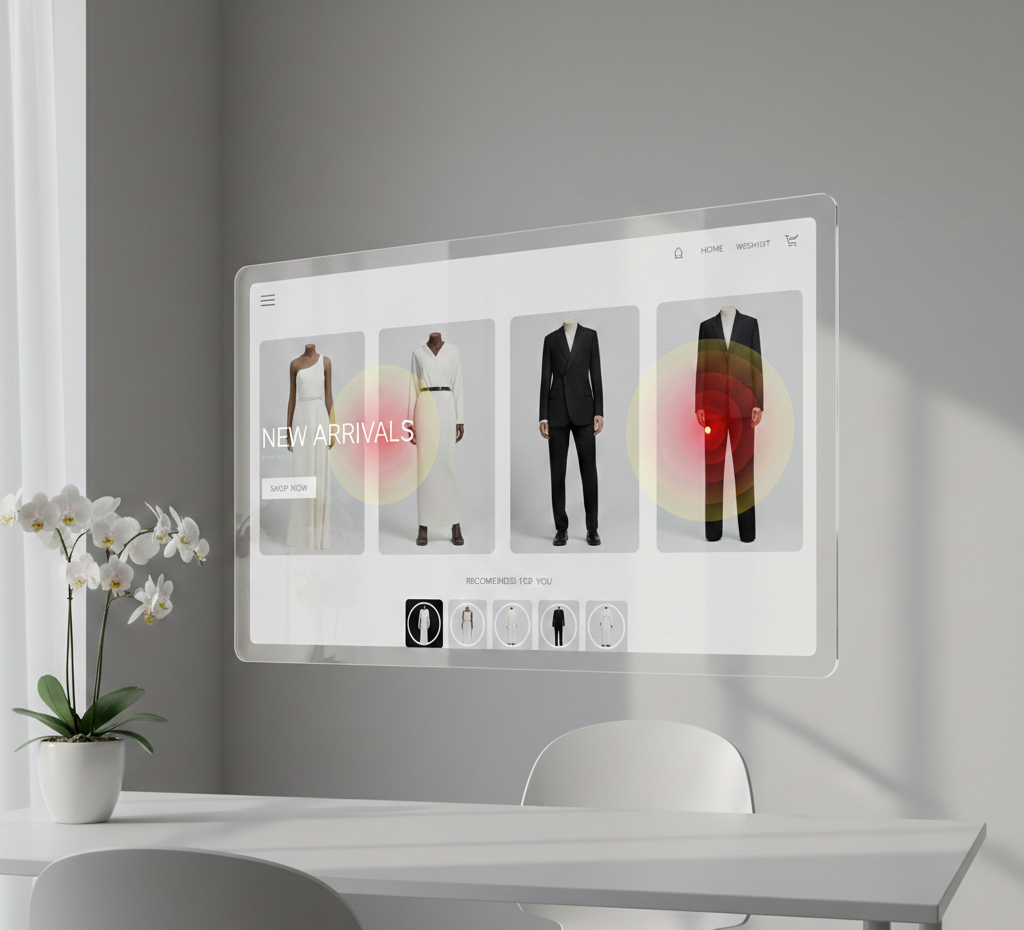
Even the best ads fail if the landing page doesn’t convert. With faster fashion cycles and impulsive shopping behaviour, brands need landing pages designed to capture attention instantly. High-performing clothing brands focus on:
- Mobile-first design
- Faster load times
- Clear value propositions
- Cleaner product images and videos
- Review sections for trust
- Ultra-smooth checkout flow
4. Retargeting & Personalised Flows

Retargeting is the backbone of performance-based marketing, especially in the fashion sector where most customers need multiple touchpoints before buying. Clothing brands implement retargeting campaigns for cart abandoners, product viewers, and repeat customers.
Alongside ads, personalised email and SMS flows are becoming stronger conversion tools. In 2026, automation platforms allow brands to send behaviour-triggered messages like price drop alerts and low-stock reminders.
5. Data-Driven Partnerships

Affiliate marketing is one of the most cost-efficient ways for clothing brands to expand their reach. And the best part is it’s purely performance-based marketing—brands only pay after a sale is generated.
Execution Plan 2026
1. Build a performance-focused foundation
Start by setting clear goals like return on ad spend (ROAS), cost per customer (CAC), and conversion rates.
2. Create a smart budget allocation plan
Set budgets for prospecting, retargeting, UGC creation, and retention marketing. 2026 demands agile budgeting.
3. Use the right tools and tech
Using the right tools—like ad platforms, analytics, and CRM systems—helps brands understand what’s actually working.
4. Work with a performance marketing agency
Having experts handle media buying, UGC content production, and CRO optimization lets brands focus on design and product development.